

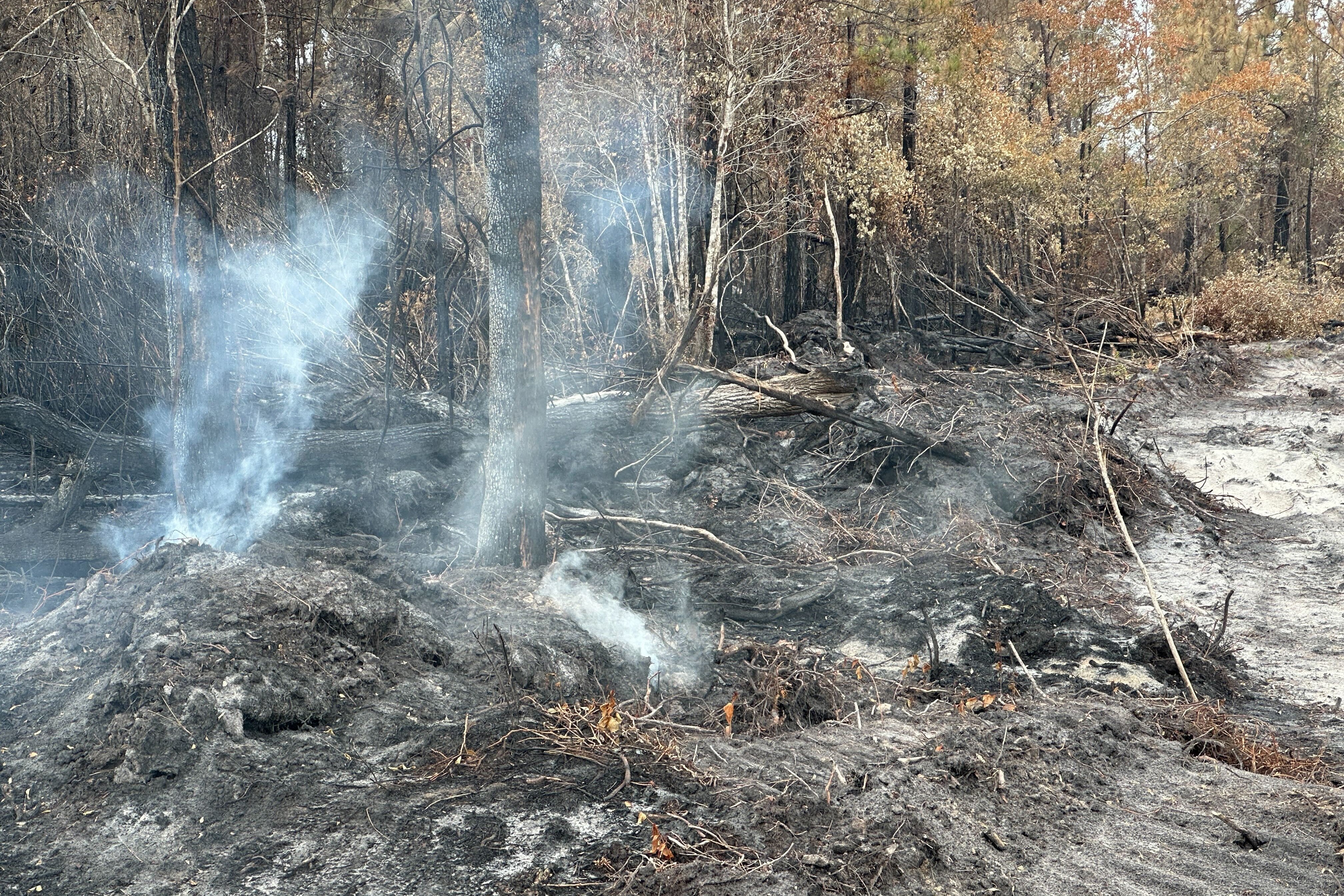
As wildfires continue to ravage Georgia, the importance of disaster response and mitigation technologies cannot be overstated. Learn how tech professionals can make a meaningful impact in this growing field.
Wildfires and Tech: How Disaster Response Can Shape Your Career
In the midst of the ongoing wildfire season, Georgia officials have warned that the threat of wildfires is far from over. As firefighters continue to make progress in containing the blazes, the importance of disaster response and mitigation technologies cannot be overstated.
The Role of Technology in Disaster Response
When disaster strikes, technology plays a crucial role in saving lives and minimizing damage. From satellite imaging to data analytics, a range of tech tools are used to monitor and respond to emergencies.
Satellite imaging helps emergency responders track the spread of wildfires, identify areas of high risk, and plan their response.
Data analytics enables authorities to analyze weather patterns, track air quality, and make informed decisions about evacuation routes and emergency services deployment.
Communication technologies, such as satellite phones and messaging apps, ensure that first responders can stay connected and coordinate their efforts effectively.
Why Disaster Response is a Growing Field
As the frequency and severity of natural disasters increase, the demand for professionals with expertise in disaster response and mitigation is growing. This presents a significant career opportunity for tech professionals looking to make a meaningful impact.
From software developers creating emergency response apps to data scientists analyzing weather patterns, there are many ways to contribute to disaster response efforts. Additionally, the field requires collaboration between government agencies, non-profits, and private companies, providing a range of career paths to explore.
What You Can Do to Get Started
If you're interested in pursuing a career in disaster response, here are a few steps you can take:
Develop your skills in data analysis, programming, or geographic information systems (GIS).
Stay up-to-date with the latest technologies and innovations in disaster response.
Network with professionals in the field and explore job opportunities at government agencies, non-profits, and private companies.
In conclusion, the ongoing threat of wildfires highlights the critical importance of disaster response and mitigation technologies. For tech professionals, this presents a unique opportunity to make a meaningful impact and build a fulfilling career. By developing the right skills and staying informed about the latest technologies and innovations, you can join the growing field of disaster response and help shape the future of emergency management.
Ready to start your career in disaster response? Check out our latest job listings and explore opportunities with government agencies, non-profits, and private companies.
