

Learn how the speed of misinformation can have serious consequences, and what job seekers and tech professionals can do to stay informed and avoid spreading false information.
The Speed of Misinformation
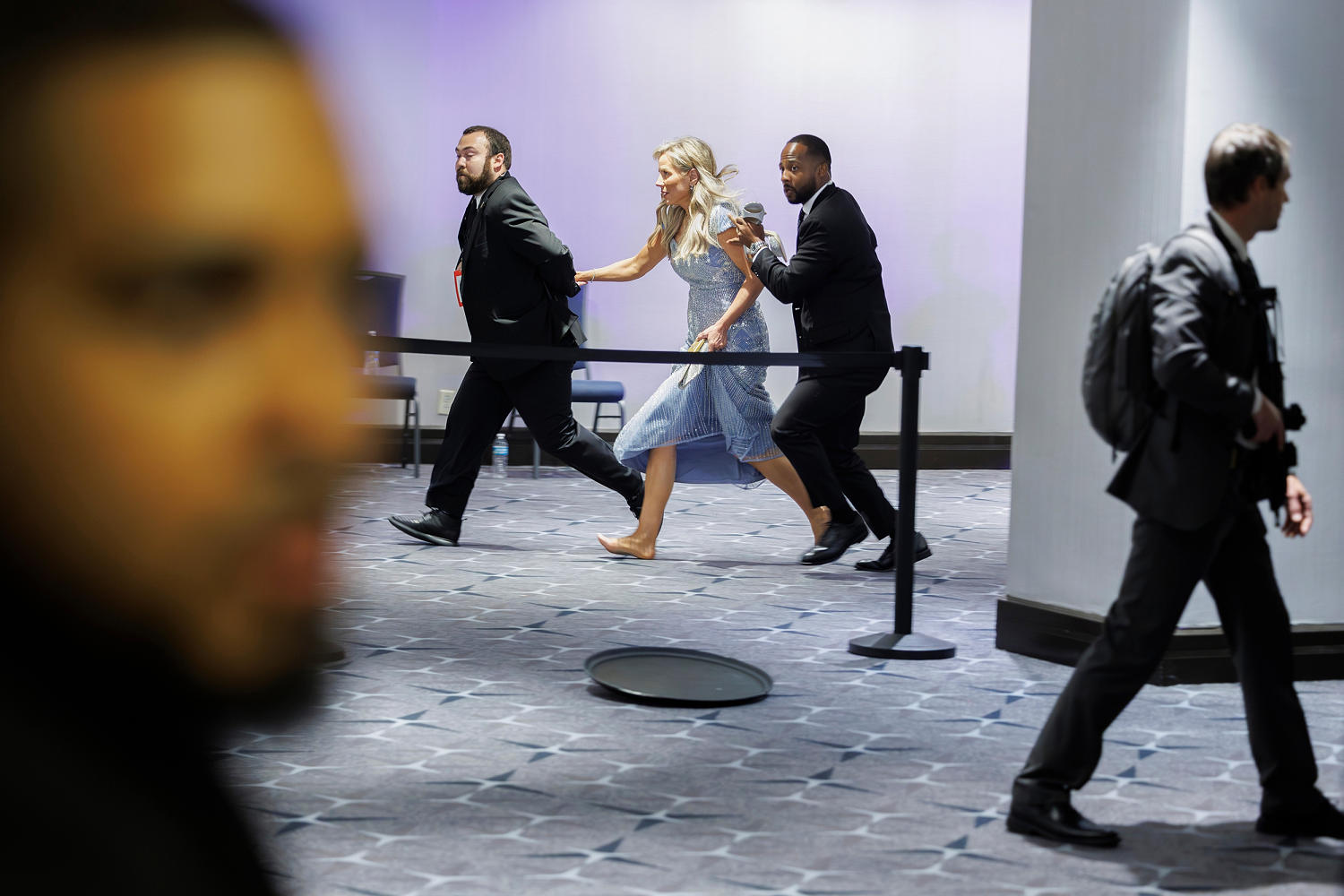
In today's digital age, information can spread like wildfire. But what happens when that information is false, and the consequences are severe? The recent shooting at the White House Correspondents' Association dinner is a prime example of how quickly misinformation can take hold.
According to reports, a flood of conspiracy theories and false claims about the shooting spread online at an alarming rate. Many people took to social media to share their theories about the incident, with some even claiming that the shooting was staged.
The Dangers of Confirmation Bias
One of the key factors that contributed to the spread of misinformation was confirmation bias. This is the tendency for people to seek out information that confirms their existing beliefs, rather than considering alternative perspectives. In the case of the White House Correspondents' dinner attack, many people were already primed to believe that the government was involved in some kind of conspiracy, and they eagerly latched onto any information that seemed to support this theory.
This is a common phenomenon in the digital age, where people are constantly bombarded with information and are more likely to seek out information that confirms their existing beliefs than to engage in critical thinking.
The Role of Social Media
Social media played a significant role in the spread of misinformation about the White House Correspondents' dinner attack. Platforms like Twitter and Facebook are designed to facilitate the sharing of information, but they also create an environment in which false information can spread quickly.
Many people share information on social media without taking the time to verify its accuracy, and this can lead to a snowball effect, where false information is shared and reshared without anyone taking the time to fact-check it.
- The speed of misinformation is a major concern in today's digital age.
- Confirmation bias can lead people to seek out information that confirms their existing beliefs, rather than considering alternative perspectives.
- Social media can facilitate the spread of misinformation, especially if people are not careful about verifying the accuracy of the information they share.
Lessons for Job Seekers and Tech Professionals
So what can job seekers and tech professionals learn from the White House Correspondents' dinner attack? One important lesson is the importance of critical thinking and media literacy. In today's digital age, it's more important than ever to be able to critically evaluate information and to be aware of the potential for misinformation.
Another important lesson is the importance of verifying the accuracy of information before sharing it. This is especially important in the tech industry, where misinformation can have serious consequences.
As job seekers and tech professionals, it's our responsibility to be mindful of the potential for misinformation and to take steps to verify the accuracy of the information we share. This includes being critical of the information we consume, verifying the accuracy of information before sharing it, and being aware of the potential for confirmation bias.
Call to Action
If you're a job seeker or tech professional, take a moment to reflect on your own media literacy skills. Are you aware of the potential for misinformation, and do you take steps to verify the accuracy of the information you share? Take this opportunity to brush up on your critical thinking skills and to make sure you're staying informed, but not misinformed.
