

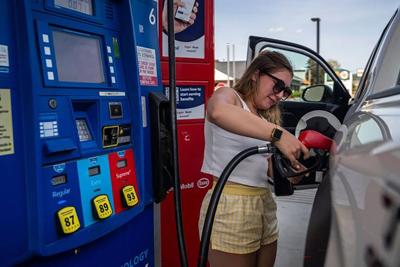
The rising cost of gas in New Hampshire is affecting low-income and rural communities, as well as the state's ability to maintain its roads and bridges.
The Rising Cost of Commuting: How Higher Gas Prices Affect Granite Staters
In recent months, the average price of gas in New Hampshire has skyrocketed, leaving many Granite Staters feeling the pinch. According to a nonpartisan report, the price of gas has increased by a staggering 57 percent between February and May.
The Impact on Low-Income and Rural Communities
The rise in gas prices has a disproportionate effect on low-income and rural communities. For individuals who rely on their vehicles to get to work, school, or other essential services, the increased cost of gas can be a significant burden. This is particularly concerning for those living in rural areas, where public transportation options may be limited.
- Rural residents may have to travel longer distances to get to work, school, or medical appointments, leading to higher fuel costs.
- Low-income individuals may have to make difficult choices between paying for gas, food, and other essential expenses.
The Strain on the State's Bridge Fund
The increased cost of gas is not only affecting individuals but also the state's ability to maintain its roads and bridges. The state's bridge fund is already under strain, and the rising cost of fuel is only exacerbating the problem.
As a result, the state may need to allocate more funds to transportation infrastructure, which could lead to further budget constraints in other areas.
Practical Insights for Job Seekers and Tech Professionals
So, what does this mean for job seekers and tech professionals in New Hampshire? Here are a few practical insights:
- Consider alternative modes of transportation: If possible, explore public transportation options, carpooling, or telecommuting to reduce your fuel costs.
- Plan your route: Use mapping tools to optimize your route and reduce fuel consumption.
- Look for employers that offer commuter benefits: Some employers offer commuter benefits, such as pre-tax transit benefits or parking reimbursement, which can help offset the cost of commuting.
What's Next?
As the cost of gas continues to rise, it's essential for Granite Staters to be aware of the impact on their daily lives and the state's economy. As job seekers and tech professionals, it's crucial to be proactive in finding solutions to reduce our reliance on fossil fuels and promote sustainable transportation options.
By working together, we can build a more sustainable and affordable future for all Granite Staters.

