

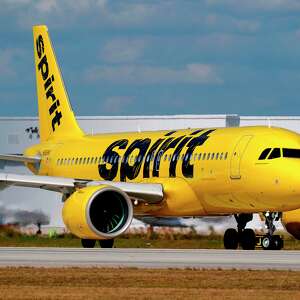
Spirit Airlines' innovative operating model revolutionized the airline industry, but its collapse serves as a reminder that innovation and cost-cutting must be balanced with a focus on customer satisfaction and a sustainable business model.
The Rise and Fall of Spirit Airlines' Game-Changing Model
In 2014, Spirit Airlines revolutionized the airline industry by introducing a unique operating model that focused on low-cost, low-frills services. The strategy was a huge success, attracting millions of customers and making Spirit Airlines one of the fastest-growing airlines in the world.
The Model That Sparked Controversy
So, what made Spirit Airlines' model so special? The airline's strategy was built around a few key principles: minimal overhead costs, a streamlined operational structure, and aggressive pricing. By cutting costs and reducing frills, Spirit Airlines was able to offer fares that were significantly lower than its competitors.
Practical Insights for Tech Professionals
So, what can tech professionals learn from Spirit Airlines' rise and fall? Here are a few key takeaways:
Agility is key: Spirit Airlines' ability to adapt quickly to changing market conditions and customer demands was a major factor in its success.
Cost-cutting can be a double-edged sword: While Spirit Airlines' cost-cutting measures helped it stay competitive, they also led to complaints about poor customer service and cramped seating.
Innovation is crucial: Spirit Airlines' innovative approach to the airline industry helped it stand out from the competition and attract a large customer base.
The Collapse of the Model
So, what happened to Spirit Airlines' model? Despite its initial success, the airline faced growing criticism from customers and regulators about its treatment of passengers. In 2017, the airline was hit with a series of lawsuits and fines for violating consumer protection laws. The negative publicity took a toll on the airline's reputation and customer base, leading to a decline in bookings and revenue.
Lessons for Tech Professionals
So, what can tech professionals learn from Spirit Airlines' collapse? Here are a few key takeaways:
Customer satisfaction is crucial: Spirit Airlines' focus on cost-cutting and efficiency came at the expense of customer satisfaction, leading to a decline in bookings and revenue.
Culture matters: Spirit Airlines' culture of prioritizing profits over people led to a toxic work environment and poor customer service.
Innovation must be sustainable: Spirit Airlines' innovative approach to the airline industry was unsustainable in the long term, leading to a decline in the airline's reputation and customer base.
A Call to Action
So, what can tech professionals take away from Spirit Airlines' rise and fall? The story serves as a reminder that innovation and cost-cutting are important, but they must be balanced with a focus on customer satisfaction and a sustainable business model. As tech professionals, it's our job to stay adaptable, innovative, and customer-focused in order to succeed in today's fast-paced job market. Whether you're looking for a new career opportunity or just trying to stay ahead of the curve, remember that the key to success is finding a balance between innovation, cost-cutting, and customer satisfaction.
