

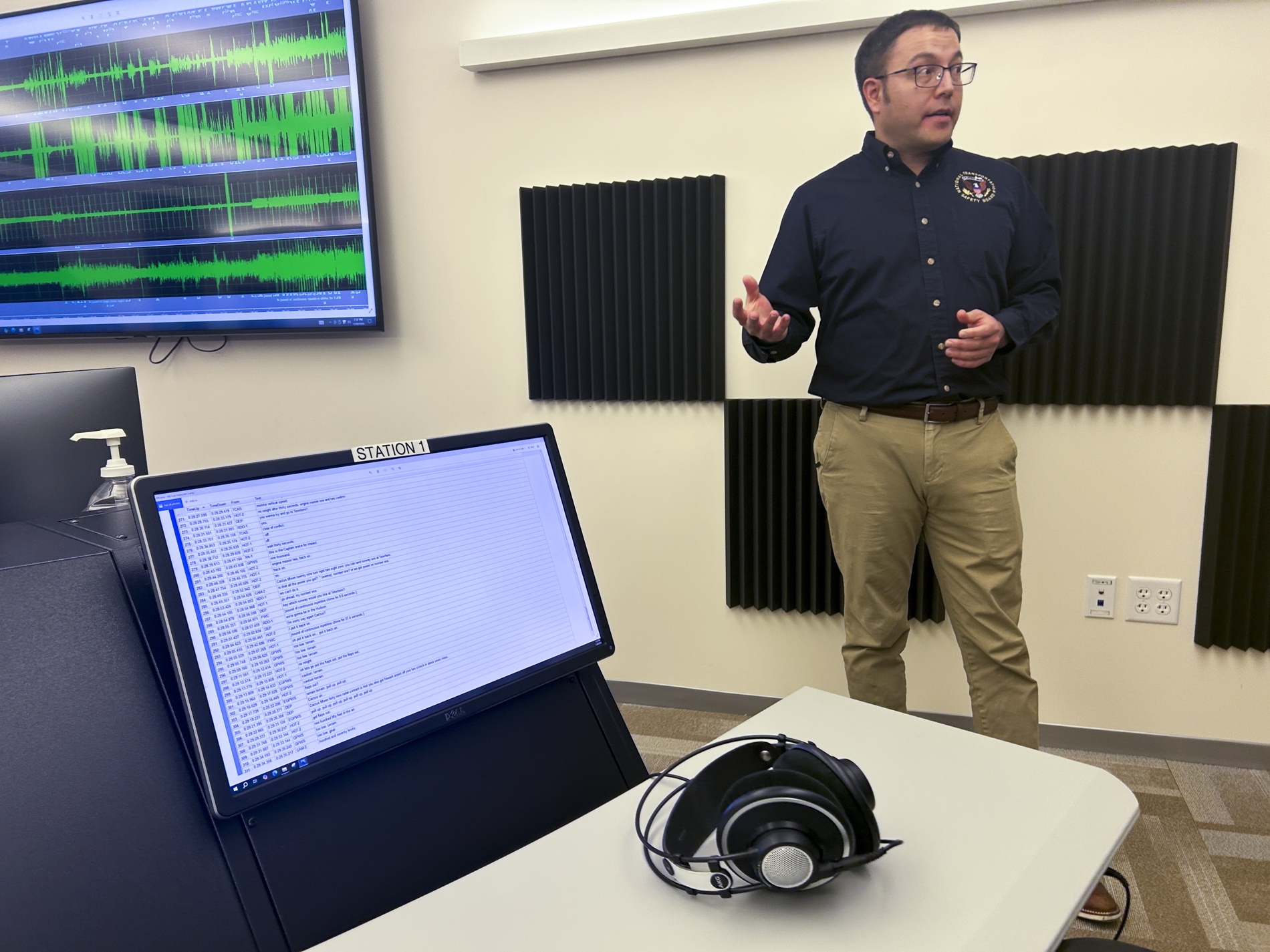
The NTSB's efforts to keep cockpit audio recordings private are facing new challenges with the advancement of AI and digital forensics.
The NTSB's Efforts to Keep Cockpit Audio Private Face New Challenges
In recent years, the National Transportation Safety Board (NTSB) has taken steps to keep cockpit audio recordings private, citing concerns over public scrutiny and potential legal repercussions. However, with the rise of artificial intelligence (AI) and digital forensics, these efforts may be facing new challenges.
The NTSB temporarily pulled its docket system offline after hackers used digital images to reconstruct cockpit voice recordings of pilots involved in a recent crash. This incident highlights the growing vulnerability of sensitive information in the digital age and the need for enhanced security measures.
What's at Stake?
Cockpit audio recordings are a crucial component in aviation investigations, providing valuable insights into the events leading up to an accident. However, these recordings also contain sensitive information that could compromise the privacy of pilots, passengers, and even the airlines themselves.
The NTSB's efforts to keep these recordings private are aimed at protecting this sensitive information from falling into the wrong hands. However, with the advancement of AI and digital forensics, it's becoming increasingly difficult to keep this information confidential.
- AIs ability to analyze and process large amounts of data makes it easier for hackers to identify and reconstruct cockpit voice recordings.
- The use of digital images to reconstruct recordings raises concerns over the potential for tampering and manipulation of evidence.
- The NTSB's reliance on outdated security measures makes it vulnerable to cyber attacks and data breaches.
In light of these challenges, it's essential for the NTSB to adopt more robust security measures to protect cockpit audio recordings. This includes implementing advanced encryption techniques, conducting regular security audits, and investing in AI-powered threat detection tools.
What Does This Mean for Tech Professionals?
This incident serves as a reminder of the importance of cybersecurity in the digital age. As tech professionals, it's crucial to stay ahead of the curve and anticipate the evolving threats posed by AI and digital forensics.
Job seekers and tech professionals can benefit from developing skills in areas such as AI-powered threat detection, cybersecurity, and digital forensics. By staying up-to-date with the latest advancements in these fields, individuals can position themselves for success in an increasingly complex and dynamic job market.
As the NTSB continues to navigate the challenges of keeping cockpit audio recordings private, tech professionals can play a critical role in helping to protect sensitive information and ensure the safety of passengers and pilots alike.
So, what's the takeaway from this incident? It's clear that the NTSB's efforts to keep cockpit audio recordings private are facing new challenges, and it's up to tech professionals to help find solutions. If you're interested in pursuing a career in cybersecurity or digital forensics, now is the perfect time to start building your skills and expertise.
