

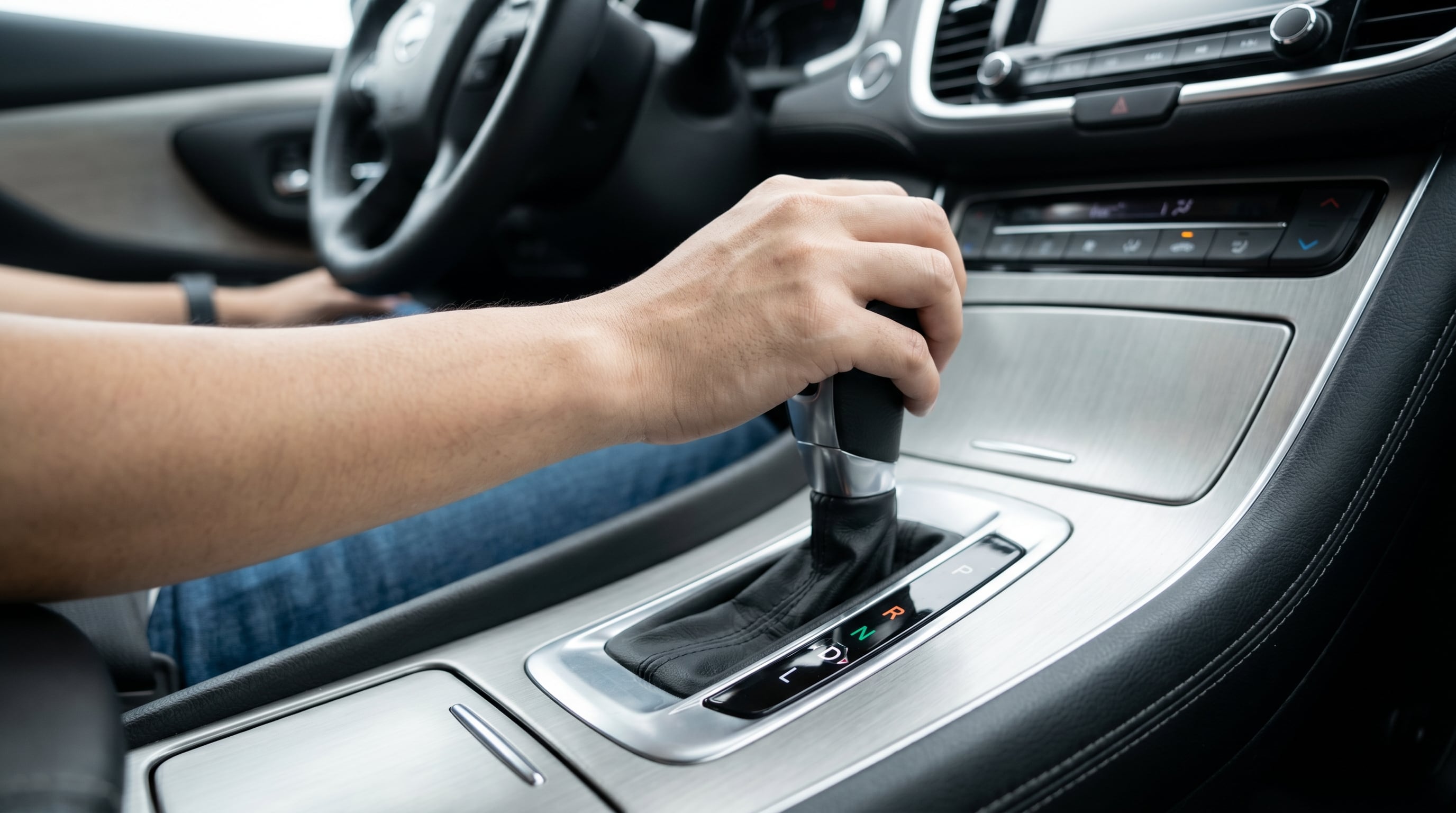
Discover the mysterious 'D' in automatic transmissions and why it's missing in manual cars. Learn about the PRND system and its implications for tech professionals and job seekers in the automotive industry.
The Mysterious 'D' in Automatic Transmissions
In the world of automatic vehicles, a peculiar phenomenon has puzzled many drivers: the absence of the letter 'D' in the gear shifting system. For those who are familiar with the PRND system (Park, Reverse, Neutral, Drive), the lack of the 'D' in manual cars may seem curious. In this article, we'll delve into the history and functionality of the PRND system, and explore why the 'D' is missing in manual transmissions.
A Brief History of the PRND System
The PRND system was introduced in the early 20th century as a way to simplify the gear shifting process in automatic vehicles. The system was designed to provide a standardized way of indicating the gear position, making it easier for drivers to navigate through various driving scenarios. Over time, the PRND system has become an integral part of modern automotive technology.
The Role of the 'D' in Automatic Transmissions
In automatic transmissions, the 'D' represents the drive gear, which is responsible for propelling the vehicle forward. The 'D' is a critical component of the transmission system, as it enables the car to accelerate, decelerate, and maintain speed. In manual transmissions, however, the 'D' is not necessary, as the driver is responsible for shifting gears manually.
Why No 'D' in Manual Cars?
So, why is the 'D' missing in manual transmissions? The answer lies in the fundamental design of manual transmissions. In manual transmissions, the driver is responsible for shifting gears using a clutch pedal and a gearshift. This requires a higher level of driver engagement and coordination, as the driver must manually shift gears to maintain the desired speed and torque. In contrast, automatic transmissions use a complex system of sensors, actuators, and algorithms to automatically shift gears, eliminating the need for a 'D' designation.
Implications for Tech Professionals and Job Seekers
While the 'D' may be missing in manual transmissions, its absence has significant implications for tech professionals and job seekers in the automotive industry. As the automotive industry continues to evolve, the demand for skilled professionals with expertise in automatic transmission systems is likely to increase. For job seekers, understanding the inner workings of automatic transmissions can be a valuable skill to possess, as it can open up new career opportunities and enhance job prospects.
In conclusion, the mysterious 'D' in automatic transmissions is a fascinating aspect of automotive technology. By understanding the history and functionality of the PRND system, we can gain a deeper appreciation for the complex systems that power our vehicles. For tech professionals and job seekers, the absence of the 'D' in manual transmissions serves as a reminder of the importance of staying up-to-date with the latest developments in automotive technology.
As the automotive industry continues to evolve, it's essential for professionals to stay curious and adapt to new technologies and innovations. Whether you're a seasoned tech professional or a job seeker looking to break into the industry, understanding the intricacies of automatic transmissions can be a valuable asset in your career journey.
So, what's next? Consider exploring the world of automotive technology and stay ahead of the curve. With the increasing demand for skilled professionals in this field, now is the perfect time to develop your skills and take your career to the next level.
