

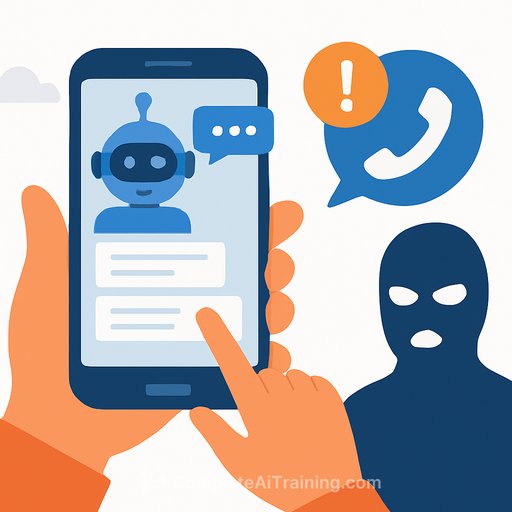
Chatbots are sharing strangers' phone numbers, and it's affecting job seekers and professionals alike. Find out how this is happening and what you can do to protect your phone number.
The Dark Side of Chatbots: How AI is Sharing Your Phone Number
Imagine receiving a flood of unwanted calls from strangers, all because a chatbot shared your phone number without your consent. Unfortunately, this is a reality for many people, and it's all due to the way AI chatbots are designed.
Recently, there's been a surge in chatbots sharing strangers' phone numbers, often in response to requests for business contacts. But here's the catch: once these numbers are embedded in a model's training data, they can't be removed. And to make matters worse, companies rarely respond to complaints about these unwanted calls.
How did this happen?
The problem lies in the way chatbots are trained. These AI models are fed vast amounts of data to learn patterns and relationships. Unfortunately, this data often includes phone numbers scraped from public sources or obtained through other means. When a user asks for business contacts, the chatbot may respond by sharing these numbers, often without verifying their accuracy or consent.
But why do companies rarely respond to complaints? The answer lies in the business model. Many chatbot providers offer their services as part of a subscription-based model. The more phone numbers they can collect, the more valuable their data becomes. This creates a perverse incentive to ignore complaints and continue sharing numbers, even if it means flooding users with unwanted calls.
The Impact on Job Seekers
For job seekers, this issue can be particularly problematic. Imagine receiving a call from a recruiter or hiring manager, only to discover that the chatbot shared your phone number without your consent. This can lead to feelings of invasion of privacy, mistrust, and even damage to your professional reputation.
As tech professionals, it's our responsibility to design AI systems that prioritize user privacy and consent. We need to ensure that chatbots are trained on high-quality, accurate data that doesn't compromise user privacy.
- So, what can you do to protect your phone number?
- Be cautious when interacting with chatbots, especially those that ask for personal information.
- Read the fine print before signing up for a service or app that uses chatbots.
- Consider using a virtual phone number or a private phone number service to reduce the risk of unwanted calls.
The Future of Chatbots
The future of chatbots is bright, but it's crucial that we address these privacy concerns head-on. By prioritizing user consent and data quality, we can create AI systems that benefit both users and businesses alike.
As job seekers and tech professionals, it's our responsibility to demand better from the chatbots we interact with. Let's work together to create a more private, more secure, and more transparent chatbot ecosystem.
So, what do you think? Have you experienced unwanted calls from chatbots? Share your stories and thoughts in the comments below.
