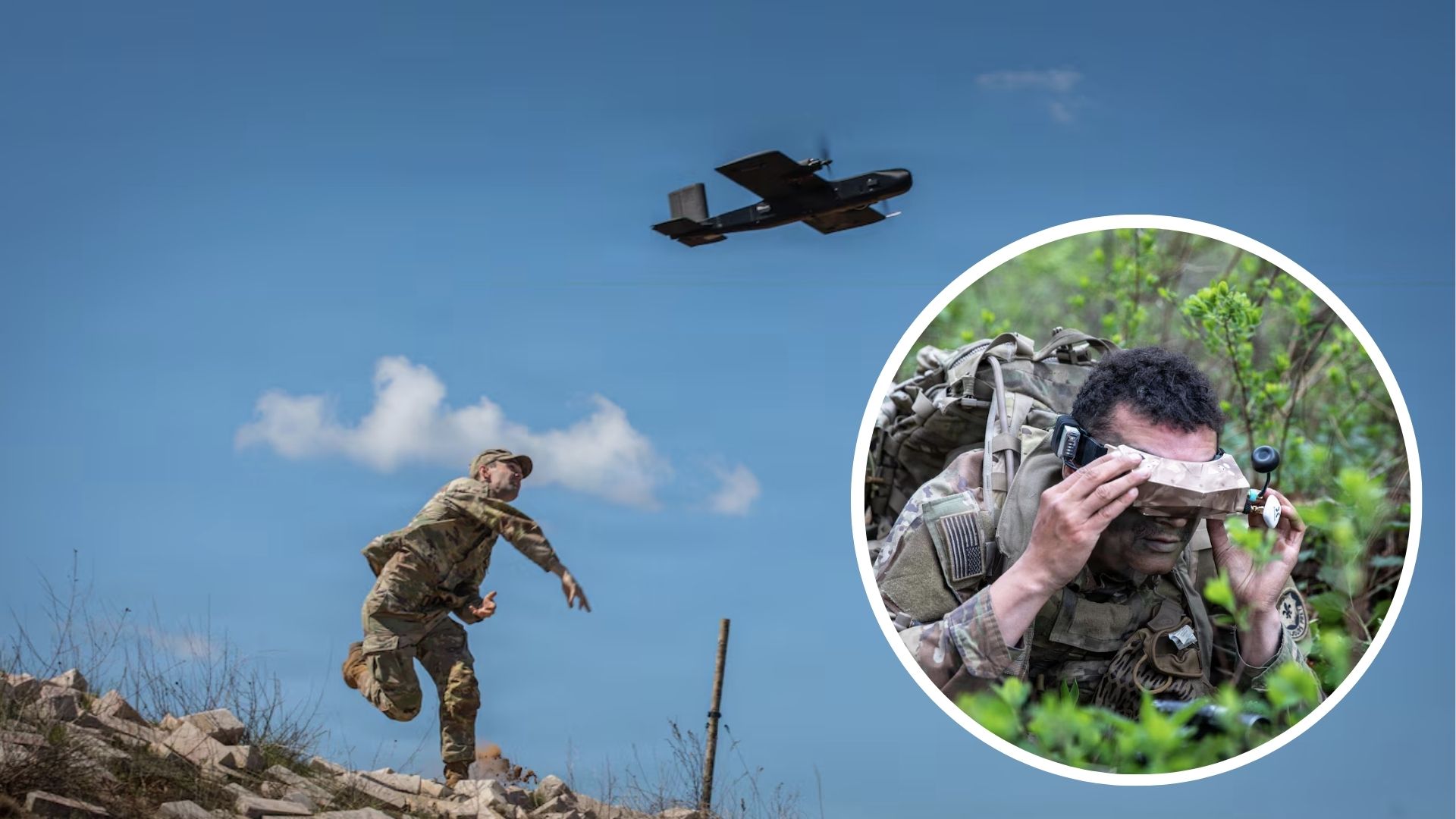
NATO has been testing its capabilities to integrate radars and kinetic interceptors to take down targets with enhanced lethality, highlighting the growing importance of counter-drone capabilities in the defense industry.
Countering the Drone Threat: NATO's Innovative Approach to Enhanced Security
In a bid to stay ahead of the curve in the evolving landscape of drone warfare, NATO has been testing its capabilities to integrate radars and kinetic interceptors to take down targets with enhanced lethality.
The Need for Enhanced Counter-Drone Capabilities
The proliferation of drones on the battlefield has led to a pressing need for effective counter-drone strategies. As the technology continues to advance, the ability to detect and neutralize hostile drones is crucial for maintaining military superiority.
- According to reports, NATO soldiers recently conducted exercises involving friendly and adversary drones, testing their skills in detecting and engaging targets.
- The drills involved the use of small quadcopters, which were used to simulate the presence of hostile drones.
- The exercises aimed to assess the effectiveness of NATO's counter-drone capabilities, including the integration of radars and kinetic interceptors.
Benefits of Enhanced Counter-Drone Capabilities
The integration of radars and kinetic interceptors offers several benefits, including:
- Improved detection and tracking of hostile drones
- Enhanced ability to neutralize threats in real-time
- Increased situational awareness for military personnel
- Reduced risk of friendly fire incidents
Implications for Tech Professionals and Job Seekers
The development of advanced counter-drone capabilities has significant implications for tech professionals and job seekers in the field. As the demand for skilled engineers and technicians continues to grow, those with expertise in radar technology, software development, and cybersecurity may find themselves in high demand.
For job seekers, this means that developing skills in areas such as:
- Radar systems integration
- Drone detection and tracking
- Cybersecurity
- Software development
can increase their chances of landing a job in the defense industry.
Conclusion
NATO's innovative approach to enhancing counter-drone capabilities is a testament to the importance of staying ahead of the curve in the rapidly evolving landscape of drone warfare. As the technology continues to advance, tech professionals and job seekers would do well to stay informed about the latest developments and consider how they can contribute to the development of these critical capabilities.
For those interested in pursuing a career in the defense industry, we encourage you to explore our job listings and consider how your skills can be applied to this critical field.